
Caring for and Cleaning Lowell's Historic Homes: A Local Guide
· By Edineya Santana
Lowell is not a city of identical builder-grade houses, and cleaning here is not one-size-fits-all. Between the mill-era single-families in Belvidere, the triple-deckers packed into Centralville, Back Central, and The Acre, and the converted downtown lofts and condos near the canals and the Merrimack River, most homes in this city carry real age and real character. That character is the whole appeal, and it also means the surfaces you are cleaning were made long before laminate and vinyl plank existed.
This guide is about caring for those specific homes: original hardwood, painted and stained woodwork, cast-iron radiators, older tile, and the long staircases that come with multi-unit living. The goal is to keep them looking their best without damaging finishes that are hard or impossible to replace. Whether you handle it yourself or hand it off, these are the details that matter in a Lowell home.
Why Lowell homes need a different approach
A lot of general cleaning advice assumes modern, sealed, forgiving materials. Lowell's housing stock rarely fits that assumption. The mill-era homes built when the city ran on the canals and the textile industry were made with solid wood trim, plaster walls, and floors that have been underfoot for a century or more. The triple-deckers that fill neighborhoods like Centralville and The Acre add another wrinkle: shared entryways, tall staircases, and three units of daily traffic funneling through the same wood steps.
The practical takeaway is that harsh, one-product-for-everything cleaning can do quiet damage here. Over-wetting old hardwood, using abrasive powders on original tile, or soaking painted woodwork can all cause problems that show up months later. Caring for a Lowell home means matching the method to the material, and knowing when gentle and dry beats wet and aggressive.
Original hardwood: clean it without wrecking the finish
Original hardwood is one of the best features in an older Lowell home, and also one of the easiest to ruin with the wrong routine. The single biggest rule is to keep water to a minimum. Standing water and sopping mops seep into seams and around old finishes, which can cause cupping, staining, and dull spots. Vacuum or dry-dust first to lift grit, since dragging sand and dirt around is what actually scratches the surface, then follow with a damp (not wet) microfiber and a cleaner meant for wood floors.
Skip steam mops, vinegar, and all-purpose sprays on aged wood. Steam forces moisture into the boards, vinegar is acidic enough to eat away at older finishes over time, and generic sprays can leave a film that builds up and looks cloudy. If you are not sure what finish you have, which is common in a home that has changed hands many times, test any product in a closet or corner first and wring the mop until it is barely damp.
Woodwork, trim, and radiators
The trim, banisters, window casings, and built-ins in these homes are often original, and they collect dust and hand-oil in ways flat modern walls do not. For painted woodwork, a barely-damp cloth is usually enough, and you want to avoid soaking the seams where old paint can lift. For stained or varnished wood, dust dry first, then wipe gently along the grain. Getting into the carved profiles and corners is slow work, but it is what keeps original woodwork looking cared for rather than grimy.
Cast-iron and steam radiators are their own project. Dust settles deep in the fins and bakes on once the heat comes back in the fall, so the best time to clean them is at the end of heating season when they are cold. Vacuum with a crevice tool, use a long thin brush or a duster to reach between the columns, and wipe the outside with a damp cloth. Doing this before summer means you are not blowing a season of baked-on dust through the house on the first cold Merrimack Valley night.
Older tile, stairs, and multi-unit realities
Older bathrooms and entryways often have vintage tile and, more importantly, aged grout. Grout is porous, so acidic and heavily abrasive cleaners wear it down and can etch older glazed tile. A gentler routine wins here: a pH-neutral cleaner, a soft brush for the grout lines, and patience instead of scouring powder. It keeps the original tile intact and avoids the crumbling grout that leads to bigger repairs later.
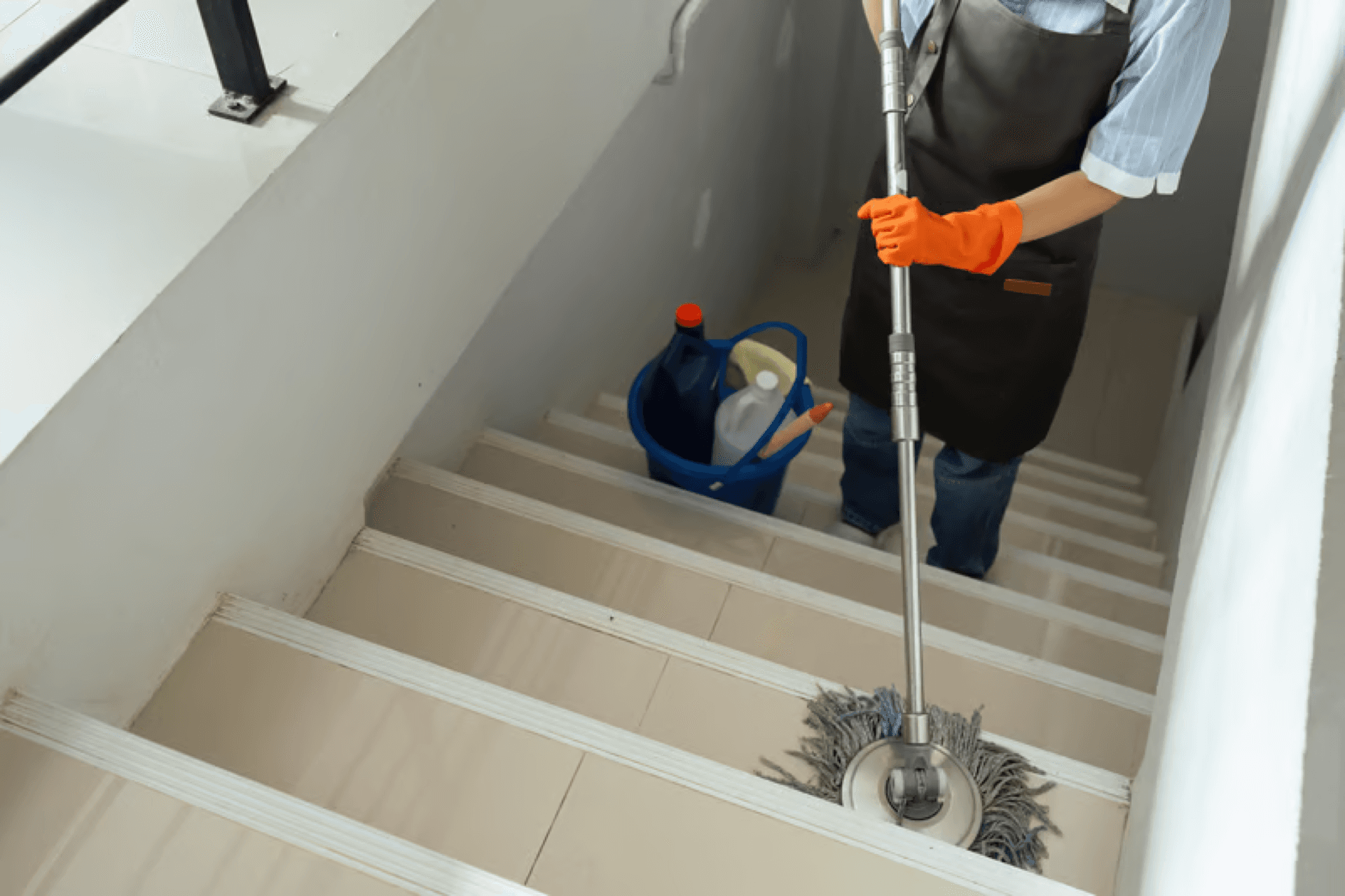
Then there are the stairs, which define daily life in a triple-decker or a converted multi-family. Long wooden staircases in shared entryways take constant traffic and track in everything from the sidewalk, salt and grit in winter, dust and pollen the rest of the year. Vacuum the treads and edges to pull out the grit that grinds down the finish, then damp-wipe rather than flood the steps. Watch the nosing (the front lip of each stair), which wears first and shows dirt most. In a home near the canals or off Route 3, 38, or 495, that outdoor grime adds up fast, so regular attention to the stairs protects both the wood and the look of the whole entry.
A realistic cleaning rhythm for an older Lowell home
You do not have to deep-clean everything every week. A workable rhythm is to handle the high-traffic surfaces often (floors, stairs, kitchen, and bathrooms) and save the slower, detail work for a periodic reset. Woodwork dusting, radiator cleaning, grout scrubbing, and getting into the trim profiles fit naturally into a seasonal deep cleaning rather than a routine visit. That keeps upkeep manageable while still protecting the details that make these homes special.
If a place has been neglected, or you are moving into a mill-era single-family in Belvidere or a triple-decker unit in Centralville, it often makes sense to start with a one-time deep clean to reach a true baseline, then keep it up on a recurring schedule. If you would rather not spend your weekends on original hardwood and radiator fins, this is the kind of local, material-aware work our team does across Lowell and the Merrimack Valley. Request a free estimate and we will walk your specific home and recommend a plan that fits it.
Frequently asked questions
- How do you clean original hardwood floors in an old Lowell home?
- Vacuum or dry-dust first to remove grit, then clean with a barely-damp microfiber and a wood-specific cleaner. Avoid steam mops, vinegar, and standing water, since excess moisture can cup, stain, and dull aged hardwood.
- What is the best way to clean cast-iron radiators?
- Clean radiators when they are cold, ideally at the end of heating season. Vacuum the fins with a crevice tool, use a long thin brush or duster to reach between the columns, and wipe the outside with a damp cloth so baked-on dust does not blow through the house in fall.
- How should I clean older tile and grout in a vintage bathroom?
- Use a pH-neutral cleaner and a soft brush on the grout lines, and skip acidic or heavily abrasive products. Aged grout is porous and older glazed tile can etch, so gentle, patient cleaning protects the original surface.
- Do you clean triple-decker and multi-unit stairs in Lowell?
- Yes. Long wooden staircases in shared entryways take heavy daily traffic, so we vacuum the treads and edges to lift grit, then damp-wipe rather than flood the steps, paying extra attention to the nosing that wears first.
- Do you clean historic homes and downtown condos in Lowell, MA?
- Yes. We clean mill-era single-family homes, triple-deckers, and downtown lofts and condos throughout Lowell and the Merrimack Valley, matching the method to older materials like hardwood, woodwork, and vintage tile. Request a free estimate for your specific home.
Related services
Serving
Ready for an exact price?
Get a free, no-pressure in-home estimate. Real numbers for your home, not a phone guess.