
Deep Cleaning vs Standard Cleaning: Which One Do You Need?
· By Edineya Santana
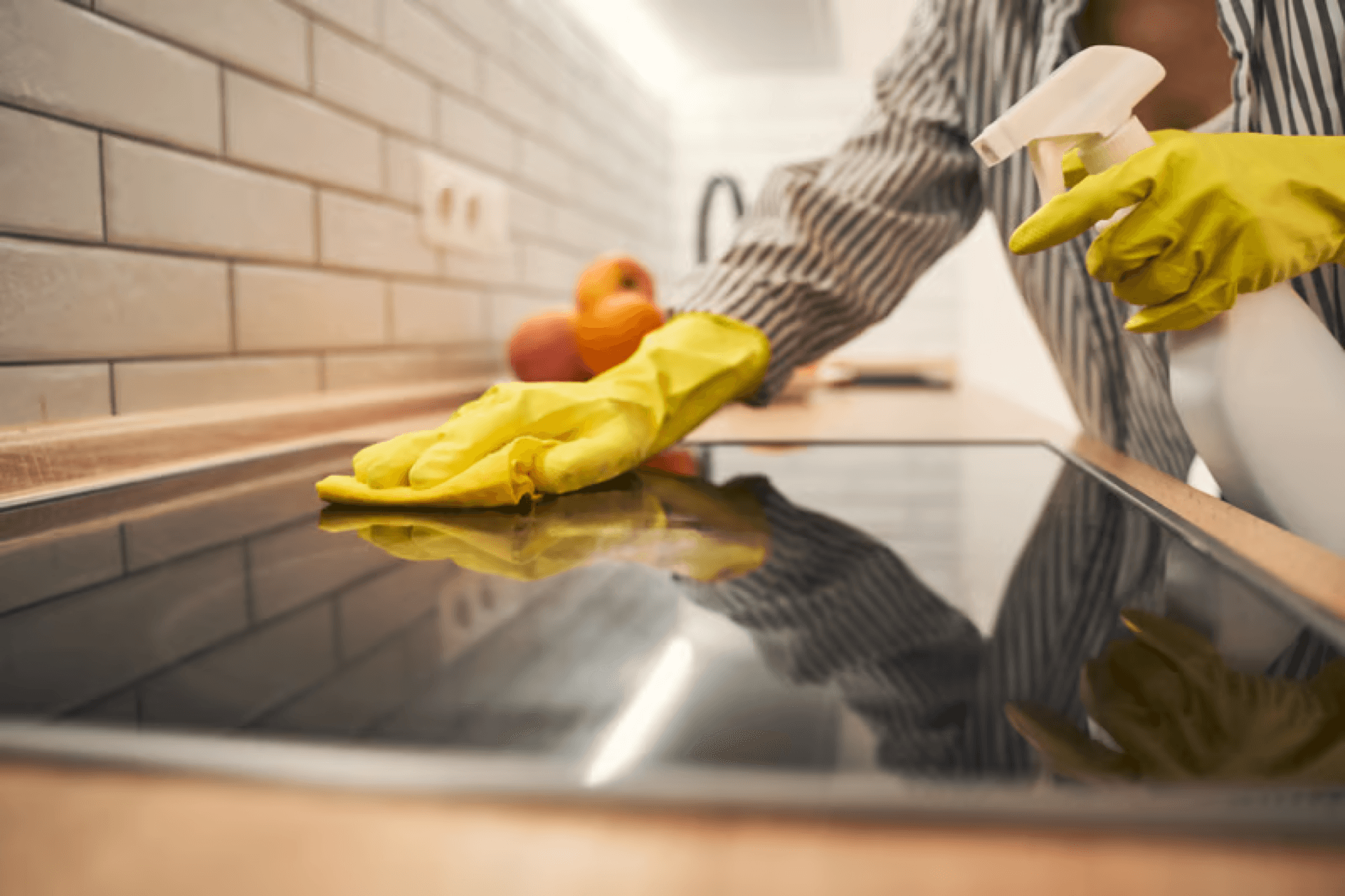
When you call around for house cleaning, one of the first questions you will hear is whether you want a standard clean or a deep clean. The names sound similar, but the work behind them is very different, and so is the price. Picking the wrong one is the most common reason people feel let down by a cleaning service, usually because they expected deep-clean results at a standard-clean scope.
This guide lays out exactly what each service includes, the room-by-room differences, and how to choose between them for your home. If you are in Lowell or anywhere in the Merrimack Valley, it will also help you ask the right questions before you book so there are no surprises.
What a Standard (Recurring) Clean Actually Covers
A standard clean, sometimes called a maintenance or recurring clean, keeps a home that is already in decent shape looking fresh. It is designed to be efficient and repeatable on a weekly, biweekly, or monthly schedule. The focus is the surfaces you touch and see every day.
In practice that means wiping counters and reachable surfaces, cleaning the sink and stovetop, sanitizing bathrooms (toilet, tub or shower, mirror, and sink), dusting open surfaces, emptying trash, and vacuuming and mopping floors. It refreshes the home, but it works within a set time window, so it does not chase built-up grime in hard-to-reach spots.
What a Deep Clean Adds On Top
A deep clean starts with everything in a standard clean, then goes after the buildup that daily cleaning never touches. It is slower, more detailed, and usually a one-time top-to-bottom reset rather than something you repeat every visit.
The extras typically include baseboards, door frames, and trim, tile grout and soap scum in showers, hard water and mineral buildup around fixtures, dust on ceiling fans, vents, and light fixtures, and detail work like wiping down cabinet fronts and switch plates. Many deep cleans also cover inside the microwave and inside the oven, plus behind and under small appliances where grease and crumbs collect. It is the difference between a surface that looks clean and one that is clean underneath.
Room by Room: Where the Difference Shows Most
Kitchens and bathrooms are where a deep clean earns its name. In the kitchen, a standard clean wipes the stovetop and counters, while a deep clean tackles baked-on grease around the burners, the range hood, cabinet faces, and buildup inside the oven and microwave. In the bathroom, standard sanitizes the fixtures, while deep scrubs grout lines, dissolves soap scum on glass and tile, and removes hard water rings that a quick wipe leaves behind.
Living areas and bedrooms show it too. A standard clean dusts what is out in the open, but a deep clean gets baseboards, window sills, blinds, vents, and ceiling fans, along with the edges and corners where dust settles over months. Once that reset is done, a standard clean is usually enough to hold the line.
When to Choose Each
Choose a deep clean when your home has not had a thorough cleaning in several months, when you are moving in or out, before or after a big event, or when allergies and dust are getting noticeable. It is also the right call the first time you hire a new cleaner, since it establishes a clean baseline to maintain.
Choose a standard clean when the home is already in good shape and you want to keep it that way without letting grime build back up. Most households that clean recurring do a biweekly standard visit, with the occasional deep clean once or twice a year for the seasonal reset.
Why Most People Should Start With a Deep Clean
Here is the honest tradeoff most cleaning companies will not spell out. If you start with a standard clean on a home that has months of buildup, the cleaner is fighting old grime inside a time budget meant for maintenance. The result can look uneven, and it is easy to blame the cleaner when the real issue was the wrong starting point.
Starting with a deep clean resets the home to a true clean baseline. After that, recurring standard visits keep it there and cost less than repeated deep cleans. That is why we usually recommend a deep clean first, then a standard schedule that fits your home and budget. Not sure which fits your situation? A quick free estimate sorts it out before you commit, so you pay for the right scope, not a guess.
Frequently asked questions
- What is the difference between deep cleaning and standard cleaning?
- A standard clean maintains an already-tidy home by cleaning everyday surfaces, bathrooms, and floors. A deep clean includes all of that plus detailed work like baseboards, grout, buildup around fixtures, vents, and inside appliances such as the oven and microwave.
- How much does a deep clean cost compared to a standard clean?
- A deep clean typically costs more than a standard clean because it takes more time and detail, and pricing depends on home size, condition, and layout. As a rough guide, a first-time deep clean is often noticeably higher than a recurring visit. The best way to know for your home is a free estimate.
- Should I get a deep clean before starting recurring cleaning?
- In most cases, yes. A deep clean resets the home to a clean baseline, which lets shorter recurring standard visits keep it that way and cost less over time than repeated deep cleans.
- How often do I need a deep clean if I already have recurring cleaning?
- If you keep a recurring standard schedule, one or two deep cleans a year is enough for most homes, often timed as a spring or fall reset. Homes with pets, high traffic, or allergy concerns may want them a bit more often.
- Do you offer both standard and deep cleaning in Lowell and the Merrimack Valley?
- Yes. Evelyn’s Cleaning Service offers recurring house cleaning and one-time deep cleaning across Lowell, North Andover, Andover, Tewksbury, and nearby Merrimack Valley communities. Call (339) 203-8250 for a free estimate.
Related services
Serving
Ready for an exact price?
Get a free, no-pressure in-home estimate. Real numbers for your home, not a phone guess.