
The Room-by-Room Move-Out Cleaning Checklist to Get Your Deposit Back
· By Edineya Santana
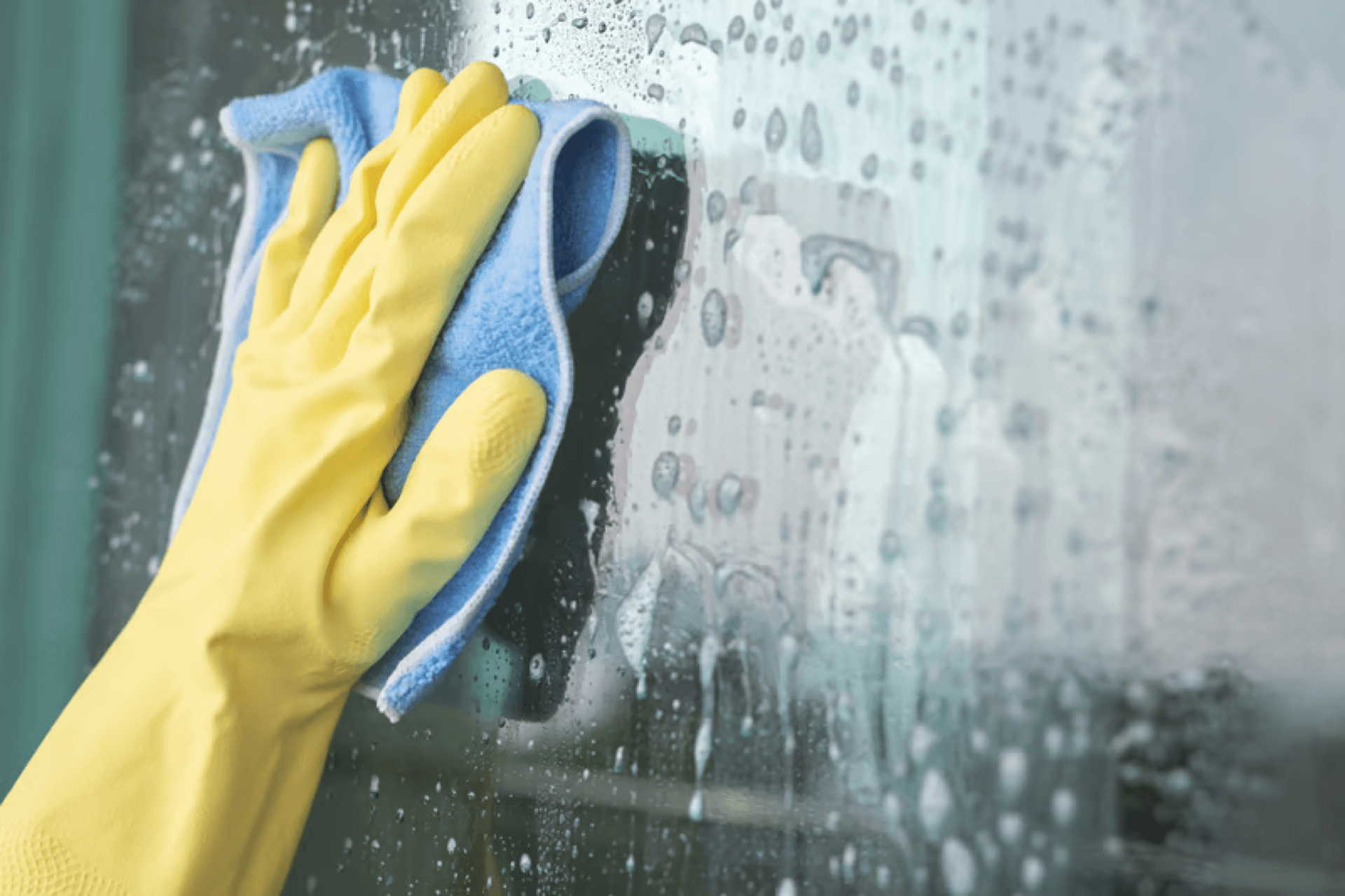
Moving is stressful enough without a landlord holding your deposit over a greasy oven or dusty baseboards. The good news: most move-out deductions come from a short, predictable list of overlooked spots, and you can knock nearly all of them out with a plan and a free afternoon.
Below is a room-by-room move-out cleaning checklist you can work top to bottom, whether you are handing keys back on a Tewksbury rental or getting a home camera-ready for a sale. We also cover the spots inspectors love to check and the honest call on when to just hire it out.
Start with the big idea: clean top to bottom, back to front
Two rules save you from doing work twice. First, clean high before low, so dust from ceiling fans, shelves, and light fixtures falls onto floors you have not touched yet. Second, work back to front in each room and out the door, so you never walk across a clean floor to finish. Do all rooms, then floors last, ending at the entry.
Empty the space first if you can. An empty room reveals the marks, dust bunnies, and scuffs that furniture was hiding, and those hidden spots are exactly what a landlord or buyer notices. Grab your kit before you start: an all-purpose cleaner, a degreaser, glass cleaner, a bathroom cleaner, microfiber cloths, a scrub sponge, a vacuum, a mop, and trash bags.
Kitchen (where most deposits are won or lost)
The kitchen is the number one deduction zone, and grease is the reason. Start with the oven: pull the racks to soak in hot soapy water, apply an oven cleaner or a baking-soda paste to the interior, let it sit, then scrub and wipe. Clean the stovetop and range hood, degrease the filter, and wipe the backsplash. Pull the fridge, empty and defrost it, wash the shelves and drawers, and clean the coils and floor behind it. Do the same behind and beside the stove.
Then hit the details: wipe inside and outside of every cabinet and drawer, clean the microwave inside and out, scrub the sink and faucet, run a dishwasher cleaning cycle, and wipe down all counters. Do not forget the small stuff inspectors check: cabinet handles, the underside of the range hood, and the toe-kick panel at the base of the cabinets.
Bathrooms (the second-biggest problem area)
Bathrooms fail inspections over soap scum, hard-water spots, and mildew. Spray the tub, shower, and tile, let the cleaner dwell for a few minutes to break down buildup, then scrub grout lines and glass doors. Descale the showerhead, polish the faucets and fixtures, and wipe down the tile walls, not just the floor.
Finish with the toilet inside and out (including the base and the bolts behind it), the vanity and mirror, and the exhaust fan cover, which collects dust nobody thinks about. Empty and wipe inside the medicine cabinet and drawers, clean the trash can, and replace a used shower curtain liner if you are leaving one behind.
Bedrooms, closets, and living areas
These rooms are quick once they are empty. Dust from the top down: ceiling fan blades, light fixtures, closet shelves, window sills, and door frames. Wipe down closet interiors and shelving, clean the inside of any built-in drawers, and spot-clean walls and doors where hands and furniture left marks. Vacuum carpets thoroughly, including the edges and inside closets, and treat any visible stains.
Do a slow walk-around looking for the details: light switch plates, outlet covers, thermostat, and door handles all pick up grime and are easy wins. If you patched nail holes, make sure the fill is smooth and, where the lease requires it, touched up with matching paint.
The often-missed spots that cost you money
Deductions rarely come from the obvious surfaces. They come from the details people skip. Baseboards and trim collect a gray film of dust that wipes off in seconds once you know to look. Windows need the glass, tracks, and sills done, since dirty tracks are an instant giveaway. Interior doors and their frames hold fingerprints and scuffs, and walls near switches and behind doors do too.
Round out your list with these easy-to-forget spots: ceiling fans and vents, light fixtures and bulbs, blinds, the interior of the washer and dryer if they stay, the water heater closet, the garage floor, and the front porch or entryway. Take dated before-and-after photos of the whole unit once you finish, since a clear record protects your deposit if there is ever a dispute.
When to DIY and when to hire it out
DIY makes sense for a small, tidy unit, when you have a couple of free days before the walkthrough, and when the lease does not require professional carpet cleaning. A methodical top-to-bottom pass with the checklist above will pass most standard inspections.
Hiring out earns its keep when the timeline is tight, when the place is large or heavily lived-in, when the lease demands a professional job or a receipt, or when you are selling and need the home to photograph and show flawlessly. A move-out clean is typically priced by size and condition, and many companies quote it as a flat rate. As a rough guide, plan on more than a routine cleaning because of the oven, fridge, and inside-cabinet detail. For homeowners and renters around Tewksbury and the Merrimack Valley, Evelyn is fully insured and can give you a free, no-pressure estimate before you commit. Call (339) 203-8250 and get your move-out quote today.
Frequently asked questions
- What is included in a professional move-out cleaning?
- A move-out clean covers the whole home top to bottom, including inside the oven and refrigerator, inside all cabinets and drawers, baseboards, windows and tracks, bathrooms, and floors. It goes deeper than a routine cleaning because the space is empty and everything gets detailed.
- How much does move-out cleaning cost?
- Move-out cleaning is typically priced by the size and condition of the home, and most companies quote a flat rate. Because it includes the oven, fridge, and inside-cabinet work, it usually costs more than a standard cleaning. Ask for a free estimate so the quote matches your actual home.
- Will cleaning really help me get my full deposit back?
- In many cases, yes. Cleaning-related charges are one of the most common reasons deposits get reduced, so a thorough top-to-bottom job removes the easiest reasons for a landlord to make deductions. Dated before-and-after photos give you extra protection if there is a dispute.
- Which spots do landlords check first?
- Inspectors usually go straight for the oven and stovetop, inside the refrigerator, bathroom grout and showers, baseboards, window tracks, and behind large appliances. These are the areas most people skip, which is exactly why they get flagged.
- How long before my walkthrough should I clean?
- Clean after the home is fully empty, ideally the day before or the morning of your walkthrough, so nothing gets dusty or scuffed again. If you are hiring it out, book a few days ahead to lock in a slot that fits your move-out date.
Related services
Serving
Ready for an exact price?
Get a free, no-pressure in-home estimate. Real numbers for your home, not a phone guess.